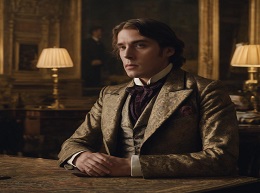
One Flew Over the Cuckoo's Nest
In-Depth Review of *One Flew Over the Cuckoo’s Nest* by Ken Kesey
Ken Kesey’s One Flew Over the Cuckoo’s Nest is a seminal work of American literature that delves into the themes of individuality, authority, and rebellion. Published in 1962, the novel is set in a mental institution and follows the story of Randle P. McMurphy, a rebellious new inmate who challenges the oppressive rule of Nurse Ratched. Through its vivid characters and compelling narrative, One Flew Over the Cuckoo’s Nest offers a poignant critique of institutional power and celebrates the resilience of the human spirit. This review will explore the novel’s plot, themes, and literary style, providing an in-depth analysis of why it remains a powerful and relevant work.
Arrival of McMurphy
The novel begins with the arrival of Randle P. McMurphy at a mental institution in Oregon. McMurphy, a boisterous and charismatic gambler, has feigned insanity to avoid a prison sentence. His arrival disrupts the monotonous routine of the ward, which is tightly controlled by the tyrannical Nurse Ratched. McMurphy quickly becomes a thorn in Nurse Ratched’s side as he questions her authority and encourages the other patients to assert their individuality.
The Battle of Wills
A significant portion of the novel focuses on the power struggle between McMurphy and Nurse Ratched. McMurphy’s rebellious spirit inspires the other patients to stand up for themselves and challenge the oppressive regime of the ward. He organizes card games, leads excursions, and even arranges a party, all in defiance of Nurse Ratched’s strict rules. The tension between McMurphy and Nurse Ratched escalates, leading to a series of confrontations that culminate in a tragic and powerful climax.
The Climax and Resolution
The climax of the novel occurs when McMurphy’s rebellion reaches its peak. Nurse Ratched, determined to regain control, subjects McMurphy to electroshock therapy and ultimately a lobotomy, rendering him a vegetable. In a poignant act of mercy, Chief Bromden, a long-silent Native American patient and the novel’s narrator, smothers McMurphy to end his suffering. Chief Bromden then escapes the institution, symbolizing the triumph of the human spirit over oppressive forces.
Individuality vs. Authority
One of the central themes of One Flew Over the Cuckoo’s Nest is the conflict between individuality and authority. McMurphy represents the free-spirited individual who refuses to conform to societal norms, while Nurse Ratched embodies the oppressive forces of institutional power. The novel explores the ways in which institutions seek to suppress individuality and enforce conformity. McMurphy’s rebellion is a testament to the importance of preserving one’s identity and resisting dehumanizing forces.
The Power of Rebellion
McMurphy’s actions highlight the power of rebellion and its potential to inspire change. His defiance of Nurse Ratched’s authority empowers the other patients to reclaim their sense of self-worth and autonomy. The novel suggests that even in the face of overwhelming odds, the act of standing up against oppression can have a profound impact. McMurphy’s ultimate sacrifice underscores the idea that true freedom often comes at a great cost.
The Dehumanizing Effects of Institutions
Kesey’s novel offers a scathing critique of the dehumanizing effects of institutions. The mental institution in the novel is depicted as a microcosm of society, where individuals are stripped of their identities and subjected to rigid control. Nurse Ratched’s methods, including the use of medication and electroshock therapy, serve to suppress the patients’ personalities and maintain order. Through the experiences of the characters, Kesey highlights the damaging impact of institutionalization on the human spirit.
The Role of the Narrator
Chief Bromden’s role as the narrator adds a unique layer to the novel. His perspective provides insight into the inner workings of the institution and the experiences of the patients. Chief Bromden’s narrative voice, with its blend of reality and hallucination, reflects the distorted perception of those living under oppressive conditions. His eventual liberation serves as a powerful symbol of hope and resilience.
Kesey’s Prose
Ken Kesey’s prose in One Flew Over the Cuckoo’s Nest is characterized by its vivid imagery and dynamic language. His use of first-person narration through Chief Bromden’s perspective creates an intimate and immersive reading experience. Kesey’s descriptive passages bring the setting and characters to life, capturing the oppressive atmosphere of the ward and the vibrant personality of McMurphy. The novel’s language is both poetic and raw, reflecting the complex emotions and experiences of the characters.
Symbolism and Metaphor
The novel is rich with symbolism and metaphor. The mental institution itself serves as a symbol of societal oppression and control. Nurse Ratched’s mechanistic approach to treatment represents the dehumanizing effects of authority. McMurphy’s rebellious acts are imbued with symbolic significance, representing the struggle for individuality and freedom. Chief Bromden’s hallucinations, which often involve imagery of machinery and fog, symbolize the confusion and disorientation experienced by those under oppressive regimes.
Structure and Pacing
One Flew Over the Cuckoo’s Nest is structured around the escalating conflict between McMurphy and Nurse Ratched. The novel’s pacing reflects the intensifying tension and the gradual awakening of the patients. Kesey’s use of episodic events, such as the fishing trip and the party, serves to illustrate the incremental gains in the patients’ sense of agency. The novel builds to a dramatic climax, followed by a resolution that is both tragic and hopeful.
The Fishing Trip
One of the novel’s most memorable scenes is the fishing trip organized by McMurphy. This excursion serves as a metaphor for liberation and self-discovery. The patients, who are typically confined within the walls of the institution, experience a sense of freedom and empowerment as they venture into the outside world. The trip allows them to reconnect with their identities and assert their independence. McMurphy’s role as a leader and mentor is highlighted, as he encourages the patients to embrace their strengths and challenge their limitations.
The Party and Aftermath
The party that McMurphy arranges in the ward is another significant event that symbolizes rebellion and camaraderie. The patients’ participation in the party represents their collective defiance of Nurse Ratched’s control. However, the aftermath of the party, which leads to McMurphy’s downfall, underscores the high stakes of rebellion. The party’s consequences highlight the novel’s exploration of the costs associated with challenging oppressive systems.
Chief Bromden’s Transformation
Chief Bromden’s character arc is a central element of the novel. Initially portrayed as a passive and silent observer, Chief Bromden’s transformation is catalyzed by McMurphy’s influence. His decision to speak up and ultimately escape the institution signifies his reclaiming of agency and identity. Chief Bromden’s journey from silence to action embodies the novel’s themes of resistance and liberation.
One Flew Over the Cuckoo’s Nest by Ken Kesey is a timeless and powerful novel that delves into the complexities of individuality, authority, and rebellion. Through its vivid characters, compelling narrative, and rich symbolism, the novel offers a poignant critique of institutional power and celebrates the resilience of the human spirit. The relationship between McMurphy and Nurse Ratched serves as a microcosm of the broader struggle between freedom and control. Kesey’s masterful prose and nuanced storytelling create an immersive and thought-provoking reading experience. One Flew Over the Cuckoo’s Nest remains a significant work of literature that continues to resonate with readers, inspiring reflection on the nature of power, resistance, and the enduring quest for individuality.